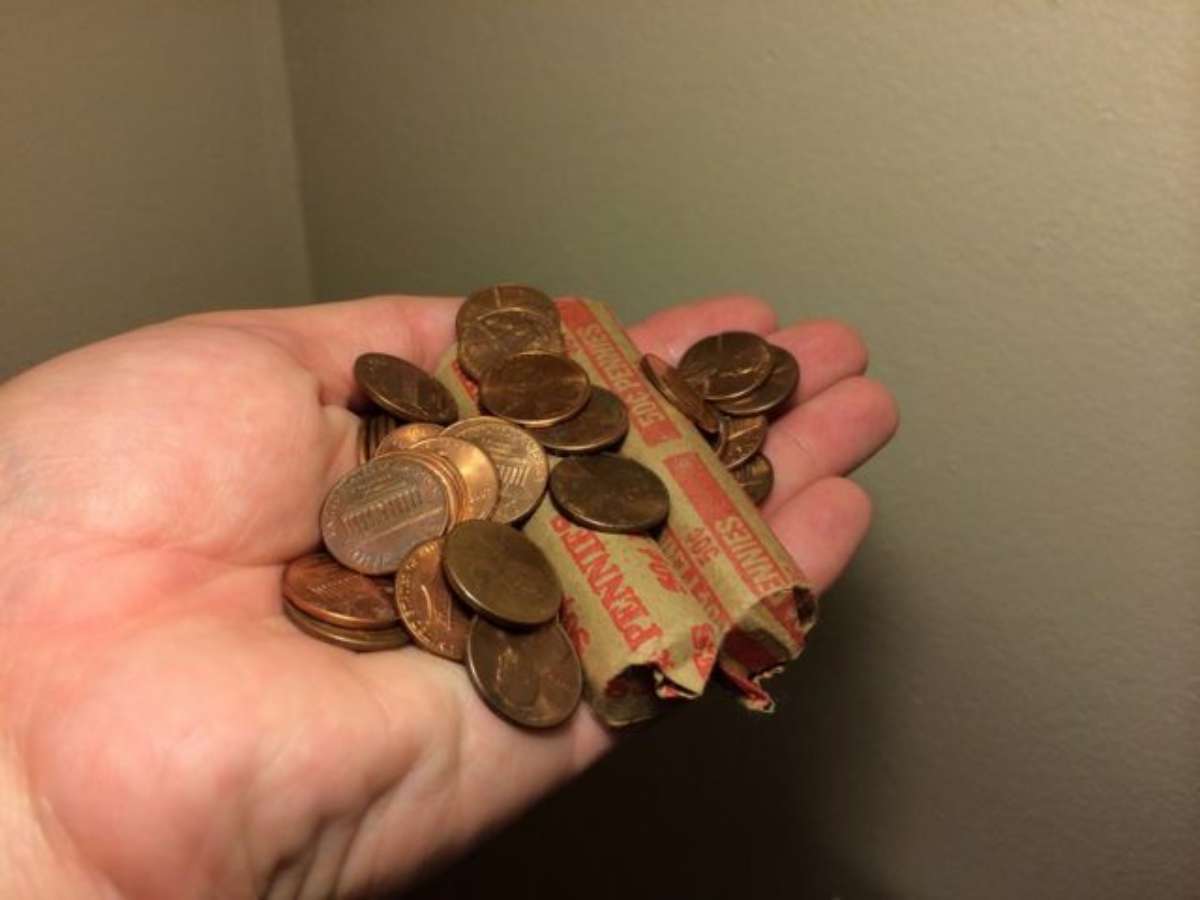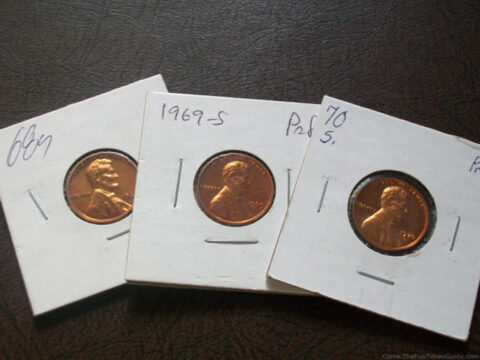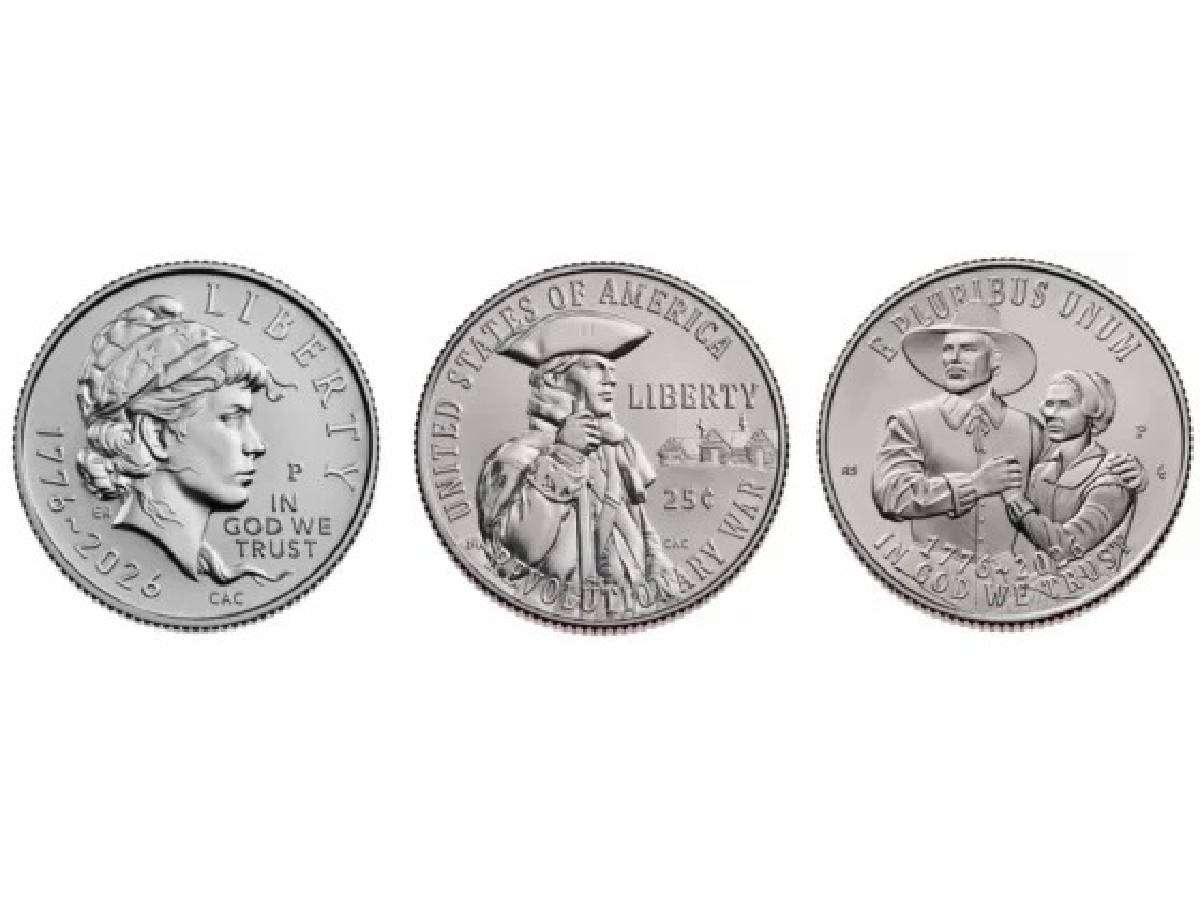
Gold…
…it led thousands to San Francisco late in the 1840s
…it’s what the fabled Rumpelstiltskin made from straw
…and it’s the metal that has been the material obsession of many for years.
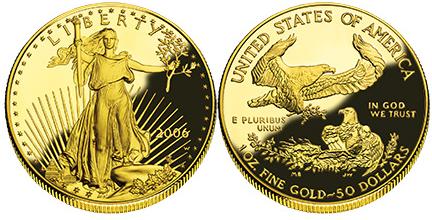
Gold coins were once the standard of commerce for many nations — including the United States.
Today, gold remains one of the most popular bullion (precious metal in bulk form) investments.
Facts About U.S. Gold Coins
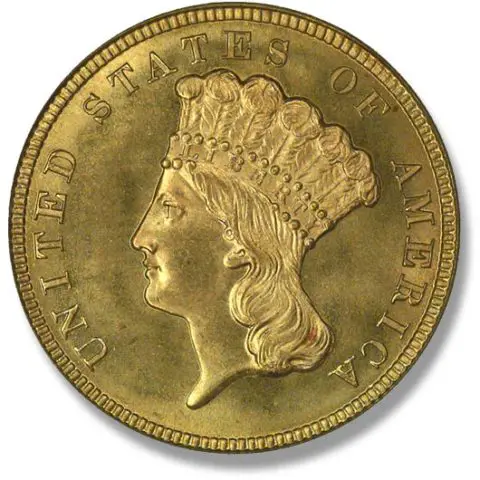
The United States has been striking gold coins since 1795, and struck its last gold coin intended for circulation in 1933.
After a hiatus of many years, the United States began striking gold coins again in the 1980s, when the U.S. Mint started striking commemorative coins. It was also during this time that the U.S. Mint first offered official “bullion” coins, minted in highly pure, exactly measured increments of gold (also silver and, more recently, platinum).
Many gold coins minted in the U.S during the second half of the 19th century and into the first decades of the 20th century have values which have long fluctuated with the prevailing gold prices.
- The best time to buy a gold coin is usually when gold prices are lower.
- The best time to sell is when gold coin are higher.
- The value of your gold coins will be largely dependent upon the current price of gold.
Must read: Should You Buy Gold Coins? 3 Reasons To Buy + 3 Reasons To Wait
How Much Are Gold Coins Worth?
While bullion price adjustments may be highly important to understanding roughly how much your gold coin is worth and knowing what to expect to pay if you want to buy a gold coin, it is also fundamental to know that many gold coins have prices and values which do not depend at all on bullion prices.
Certain gold coins are rare and have values that remain high and certainly tend even to increase because they are of numismatic value. (That is, they have great importance to collectors not simply because of the gold content, but because of their relative scarcity as well.)
All of the U.S. gold coins minted from the 1790s right into the 1820s and 1830s are generally worth multiples more than bullion value, and many of the $3 gold coins and all $4 gold coins (or “Stellas“) are worth far more than bullion value.
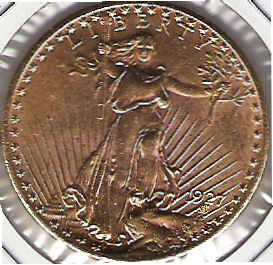 The 1907 Saint-Gaudens Double Eagle (a gold coin with a face value of $20) is worth well into the thousands, and a 1933 Saint-Gaudens Double Eagle coin sold at auction for over 7 million dollars in 2002. By the way, the “Saint-Gaudens” term for the coin is actually a reference to its renowned designer, Augustus Saint-Gaudens.
Because the gold market is highly volatile (gold prices change by every day, often by several dollars per ounce), it is important that you look to a current coin pricing guide or a website such as the PCGS coin price guide for more information about the value of any gold coins you own, or the price you may need to pay when buying a gold coin.
A great website to check out for current gold bullion prices is The Bullion Desk.
 Remember, gold bullion prices prices quoted here are simply for the value of the metal in the gold coins, per ounce. Most gold coins contain less than an ounce of gold — yet, most gold coins carry a significant premium in value over their bullion price because of collector interest or scarcity. Several gold coins are worth many times more than the bullion price, simply because of how rare the coin is.
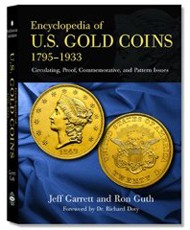
A great book to check out if you are interested in U.S. gold coins is Encyclopedia of U.S. Gold Coins (1795-1933, Circulating, Proof, Commemorative, and Pattern Issues) by Jeff Garrett and Ron Guth, and offered by Whitman Publications.