

I just want to start off by saying that, as a collector, I do not condone coin cleaning.
In almost all cases, cleaning a coin will decrease its value.
But I know a lot of you may have some extremely dirty coins that can only benefit from a good cleaning, so I’m going to share some methods that have been known to clean coins.
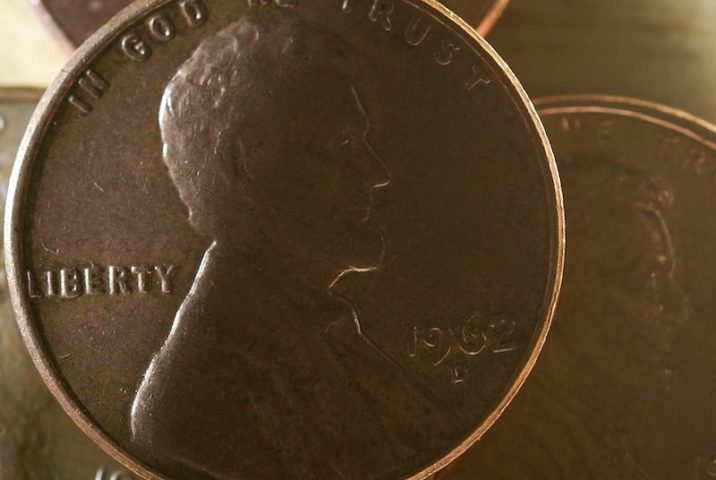
I have not tested very many of these because I don’t clean many of my coins. But maybe one of these methods will help you.
Reasons NOT To Clean Coins
Say that a coin is in excellent condition, it has full LIBERTY, all fine lines and details are clear, but there is a little tarnish or black junk that shows on the details of the coin… I would say DO NOT clean this coin at all. Period.
Why?
Because even if a high grade coin has tarnish or a little blackness build-up around the details, it’s still going to be worth a lot more to a collector as it is than if you clean it.
I have cleaned coins myself on occasion, but only in instances where the coin had such bad build-up that cleaning the coin would help the value. Or, when the coin was worthless to begin with. I even have a trick for cleaning silver coins that have a little bit of black buildup (see below).
But first, here are some coin cleaning methods that others have used…
Free & Fast Methods For Cleaning Copper Pennies
#1 Ketchup for copper
Yes ketchup. Simply grab a bottle of ketchup from your fridge and smear a little on the penny. Most of these methods work best on pennies before 1982 since they are mostly copper, new pennies are zinc. Now take a toothbrush and LIGHTLY scrub to work the ketchup into all the fine areas. Now rinse the penny under warm water.
AYE! The penny looks weird now huh? A dull pinkish color… Now make a concoction out of baking soda and a little water to form a paste. Rub this compound all over the penny with your fingers and it should bring the shine back to it.
#2 Taco Bell taco sauce
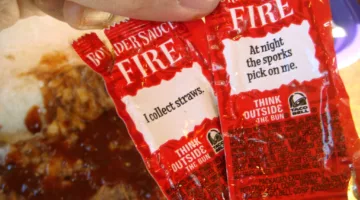
Bite open one of these little free packets of sauce from your local Taco Bell and rub it on your penny. Let it sit for a few minutes or you can brush it in lightly like in method one for better results. Rinse with warm water. If the penny is again a funny pink color, use the baking soda solution from method 1.
#3 Tabasco sauce
Repeat all instructions from methods one and two except use Tabasco sauce.
#4 Salt & vinegar
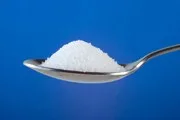
What do ketchup, taco sauce, and Tabasco sauce all have in common? Salt and vinegar. Two common household items. For this method, you will need dull uncleaned pennies, 1/4 cup of white vinegar, 1 or 2 teaspoons of salt, and a bowl. Put the salt into the bowl. Next, pour in vinegar and stir until the salt dissolves. Finally, dip a penny into the solution and hold it there for about 20 seconds. Remove the penny.
What do you see? Uh huh… now dump the rest of your uncleaned pennies into the liquid and let them set for 5 minutes or so. After the 5 minutes, immediately take them to the sink and rinse them well under warm water. This is a very important step because rinsing them stops the reaction between the salt & vinegar and the pennies. If you do not rinse them, then this solution on the pennies — combined with oxygen — will cause another reaction. Ever find a penny that is totally encrusted with blueish green stuff? That’s what will happen to your pennies if you don’t rinse them.
I want to add here that I have actually tried this salt & vinegar method back when I started collecting coins. It did take all the nasty stuff off of my pennies, but I was left with very pinkish dull looking coins. However, this was before I knew of the baking soda & water combination that is supposed to bring back the shine to them.
I’ve never tried this method since then with the baking soda & water mixture to see if they come out well, so I would practice on a few dull pocket change pennies first.
#5 Lemon juice & salt
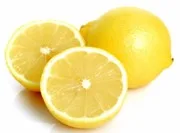
Place your pennies in a shallow dish and cover them with lemon juice and salt. Supposedly there is no need for rubbing or scrubbing with this method. After a few minutes, rinse the pennies and they should be bright and shiny.
#6 Pencil eraser
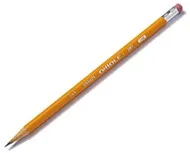
I haven’t ever tried this, but I’ve heard and read that if you take a pencil eraser and gently start rubbing the coin that it will eventually become bright and shiny again. You’ll want to use some caution with this method as I’ve also head of people removing mint marks this way.
For example, a 1922 D wheat cent worth $12.00 could easily become a 1922 “no D” wheat cent worth $1,200.00 with enough rubbing. Never do this intentionally! This is fraud and counterfeiting and is illegal. Especially if you take it to a coin dealer who will examine the coin under a scope and determine that it has been altered.
Other Methods For Cleaning Coins
Digital Ultrasonic Cleaner
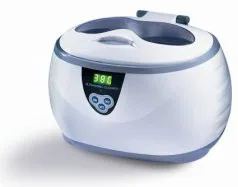
This is an electric ultrasonic device that is supposed to clean your coins and jewelry (or whatever you want) by using warm tap water and ultrasonic waves. However, if you’re going to use this device, I would recommend using a copper cleaning solution instead of warm tap water for better results.
My father owns a machine like this and I have tried this method. One time, I had a handful of Indian head pennies that were so black that you couldn’t make out any detail or date at all on them. So I dumped them into this machine with a copper cleaning solution. It did clean about half of them pretty well, but the other half were either left still very black or a very unnatural goldish pink color.
Now, this may be a fault on my part because most Indian head pennies are bronze and not copper, so you may have much better luck. But really the only difference between bronze and copper is that a very very small percentage of nickel is replaced by a small amount of tin and zinc.
Copper cleaner
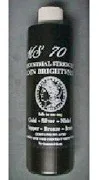
There are several different brands of copper cleaner on the market today that are supposed to bring copper back to its original shine.
I haven’t tried any of the copper cleaners, but I would imagine that they contain some concoction like the free coin cleaning methods above — except a little more concentrated and more effective.
This would probably work well for cleaning pennies.
Silver cleaner
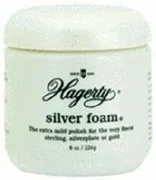
If you have some low-grade silver coins that are only worth their weight in silver, then by all means go ahead and try to clean them with any method you wish to try to get a few extra bucks out of them.
In the end, they’re still going to be silver and at least worth the price of silver. If you’re going to clean them, you may as well use some kind of cheap silver cleaner. It will do the job just fine.
NOTE: For medium-high grade silver coins, I do not recommend any silver cleaning product or previously mentioned method at all. Just let them be (…unless you want to use my nifty little trick that I explain next).
Here’s My Favorite Way To Clean Coins
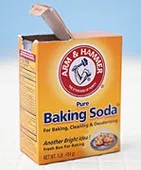
Today, as a more experienced coin collector, this is the only method I use to clean coins. (But I never do this to a high-grade coin.) This works best on silver, but if you have a copper coin that has a lot of black in it, then this will help a little also. This was shown to me a few years ago by a local coin dealer who has been selling coins for over 25 years.
So what’s the secret? Simple baking soda — by itself. Get a small pinch of baking soda between your fingers and just start rubbing the coin over and over. Again, if it’s a non-silver coin it will help a little, but on a silver coin it will make it look 80% better.
I’ve done this several times with Morgan dollar coins from the 1800’s. I’ll buy the Morgan silver dollar from the circulated junk silver box at one of the local coin stores for about $13.00. If it is a little worn and has a lot of tarnish and black build-up on most of the coin, then I’ll take it home and rub at it with some baking soda. After a few seconds… viola! A mostly bright shiny looking Morgan silver dollar that collectors won’t look at and say… “It’s been cleaned,” because they’ll never know. After I’ve cleaned my 13 dollar coins this way, I take them down to the local auction barn where people there gladly pay $25.00 or more for a Morgan silver dollar in very nice shiny condition!


