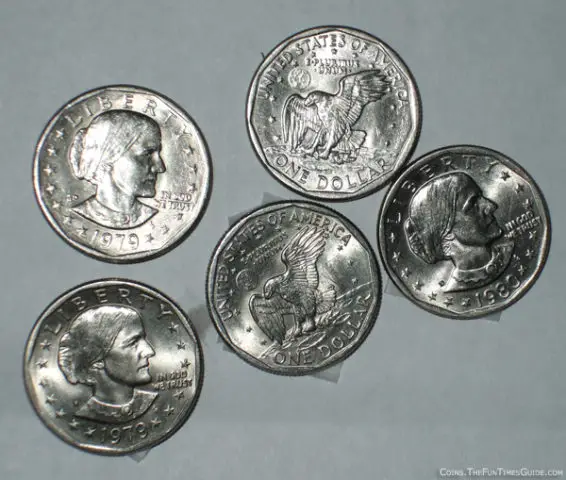
More than two decades before the 50 State Quarters and three decades before the Presidential Dollar Series, the United States had a circulating commemorative coin program that lasted 2 years and proved popular among the masses:
The Bicentennial coin designs on U.S. circulating quarters, half-dollars, and dollar coins.
I have been a coin collector for many years and have learned a lot through my day-to-day experiences in the hobby. But I sure would not be as knowledgeable in my field if not for reading some terrific books about the pastime I love.
A trip to the bookstore, library, coin dealer, or Amazon.com will give you a choice of dozens of prominent coin books, all of them great in their own right.
Here are 5 books I believe every coin collector should consider buying...
Gold...
...it led thousands to San Francisco late in the 1840s
...it's what the fabled Rumpelstiltskin made from straw
...and it's the metal that has been the material obsession of many for years.
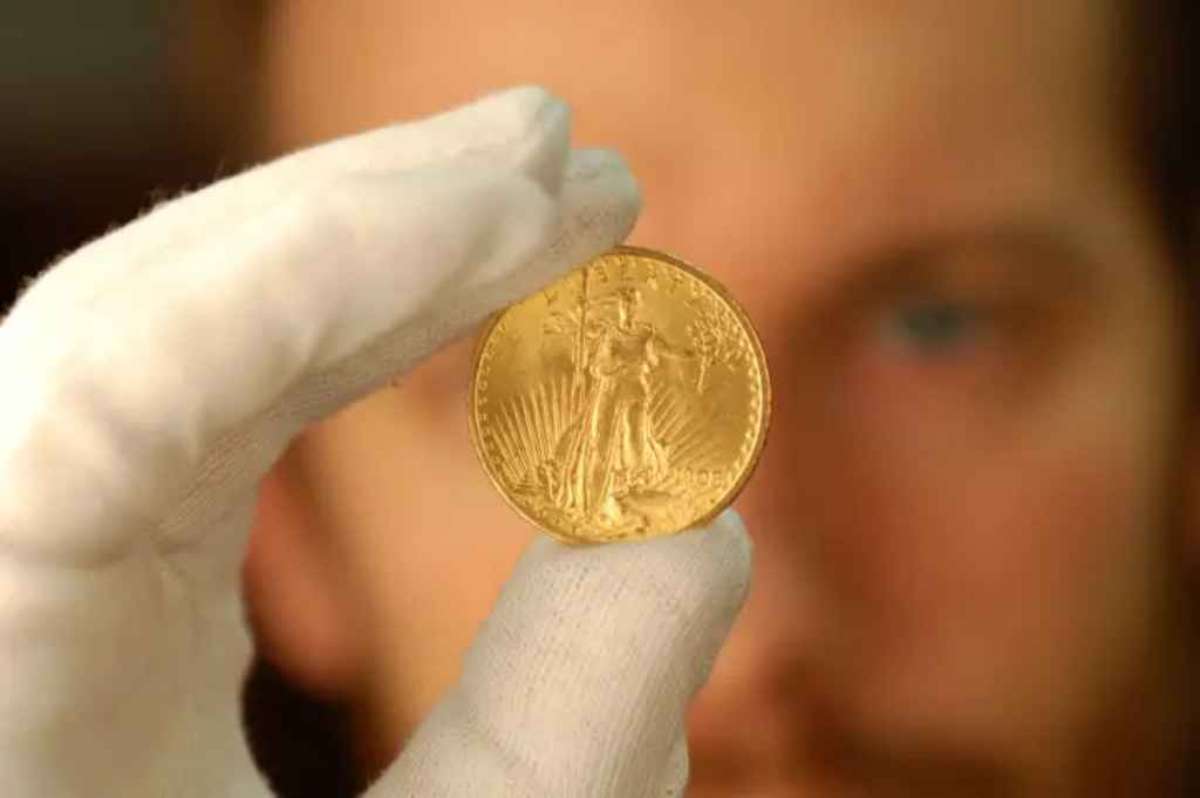
Gold coins were once the standard of commerce for many nations -- including the United States. Today, gold remains one of the most popular bullion (precious metal in bulk form) investments.
The United States has been striking gold coins since 1795, and struck its last gold coin intended for circulation in 1933.
After a hiatus of many years, the United States began striking gold coins again in the 1980s, when the U.S. Mint started striking commemorative coins. It was also during this time that the U.S. Mint first offered official "bullion" coins, minted in highly pure, exactly measured increments of gold (also silver and, more recently, platinum).
New coin collectors looking to add silver coins to their collections need to know 2 things:
1. Silver coins have not been seen in general circulation since the 1960s, and therefore will be difficult to obtain without shopping for them at a coin dealer.
2. Many silver coins can be had for only a nominal mark-up over the bullion value, making some silver coins very easy to afford.
You may have heard about Buffalo gold coins.
You are probably asking if they're anything like Buffalo nickels. Most importantly, you want to know what they are worth, right?
First, know that Buffalo gold coins are officially known as American Buffalo gold coins. They are the very first 24-karat gold coins the U.S. Mint has ever produced. The 24k American Buffalo is a coin that is made from .9999 fine (virtually pure) gold.
Mintage numbers are something that coin collectors must become well-versed in if they are to understand part of what makes a coin valuable, as well as what helps to make a coin rare.
The mintage number of a coin simply refers to how many coins were struck by the mint.
It does not, however, necessarily refer to how many coins still exist. After all, there are many coins which, over the years, have been minted in great quantity -- only to be later melted down or destroyed, either by the mint or by private interests.
There are also many coins which have inevitably become lost to time, either through burial or corrosion. There are also countless coins which have been lost through disposal, which can happen unintentionally or purposefully.
Therefore, a mintage number essentially acts as a means to help one understand how many coins the mint actually made.
It in no way solidly tells us how many coins of a given date or mint mark may actually be left, though there are any people who have estimated such numbers.
That's the question to which everyone wants an answer.
While it may seem like a fairly easy type of inquiry to get a helpful response to, sometimes it can take a really good evaluation of the coin by a professional coin dealer to determine your coin's value accurately.
You see, when determining the value of a coin, the appraiser must consider not only the date and denomination of the coin, but also what condition it is in, what the value of the metal is, the relative scarcity of the coin, and other issues.
Judging the value of a coin is often a highly sensitive process, and there are few coins that come with "stock" values.
Therefore, when somebody asks a question like "What is my 1902 Indian penny worth?" it truly is difficult and even unfair to you for anybody to give you an answer without first seeing it in person for a true, accurate appraisal.
- Real Men Pee on the Wall Because it Saves the Earth
- Monthly Budget Experiment: How Much Money Do YOU Need To Get Through A Month?
- All About RV Covers, Tire Covers, Windshield Covers & Dashboard Covers
- Rainbow Trout Fly Fishing Tips
- 10 Ways To Be Energy-Efficient And Save On Gas
- 3 Great Reasons To Have Concrete Landscape Curbing Installed
- Good News: Auto Insurance Covers Pets Injured In Car Accidents!
- Fun Places To Go At Night In Brentwood, TN
- Digital Scrapbook Tips: Free Resources To Get Started Digital Scrapbooking
- Digital Scrapbooking: Why Make Digital Scrapbooks?